Blog
Plain-language guides to patents for founders, inventors and research teams. General information, not legal advice.
Patent strategy
When to file, what to claim, and how to build a patent portfolio that supports the business.
-

Freedom to operate analysis: when you need one and what it involves
A freedom to operate analysis tells you whether your product would infringe someone else’s in-force patent claims. Here is when deep-tech companies should do one, what it covers, and what…
-
When to file: the clock starts earlier than you think
A paper, a poster or an investor deck can use up your patent rights, especially outside the United States. Here is how the grace period, absolute novelty, provisional and PCT…
Startups and spin-outs
Patent questions for founders, university spin-outs, and companies preparing to raise money.
-

Classiq exit: what Intel’s quantum deal teaches founders
Intel agreed to buy quantum software company Classiq for a reported $2.2–2.3 billion. What its early, hardware-agnostic patent portfolio teaches founders and spin-outs.
-
Provisional patent applications: what founders get wrong
A provisional holds your filing date for 12 months, but only for what it actually describes. Here are the six mistakes founders and spin-out teams make most often, and how…
-
What investors ask about your patents
Patent due diligence for startups follows a familiar list: ownership, inventors, claim coverage, filing geography, freedom to operate and liens. Here is what investors ask and how to be ready…
Quantum computing
Patent protection for quantum hardware, control systems, error correction, and algorithms.
-
Quantum error correction patents: where the invention is
Pure codes and decoding math run into 35 U.S.C. § 101. Decoder hardware, syndrome-extraction pulses and code layouts tied to real qubits make much stronger quantum error correction patent claims.
-
What can you patent in quantum computing?
Algorithms, hardware and control software are treated differently. Here is where the line usually falls under current USPTO guidance, and how to describe your invention so it can be protected.
Photonics and optics
Patent protection for lasers, optical devices, integrated photonics, and imaging systems.
-
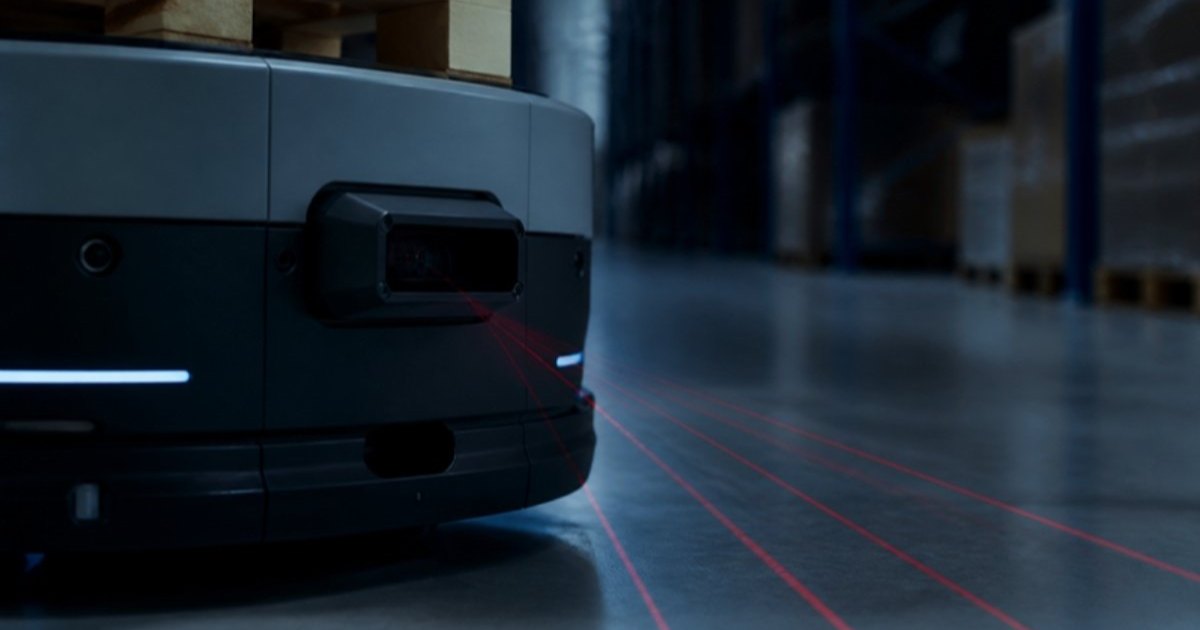
Lidar patents: claim the system, not just the part
Claims to one scanner or detector are easy to design around. How to layer component, system and method claims for beam steering, detectors and signal processing so a lidar portfolio…
-
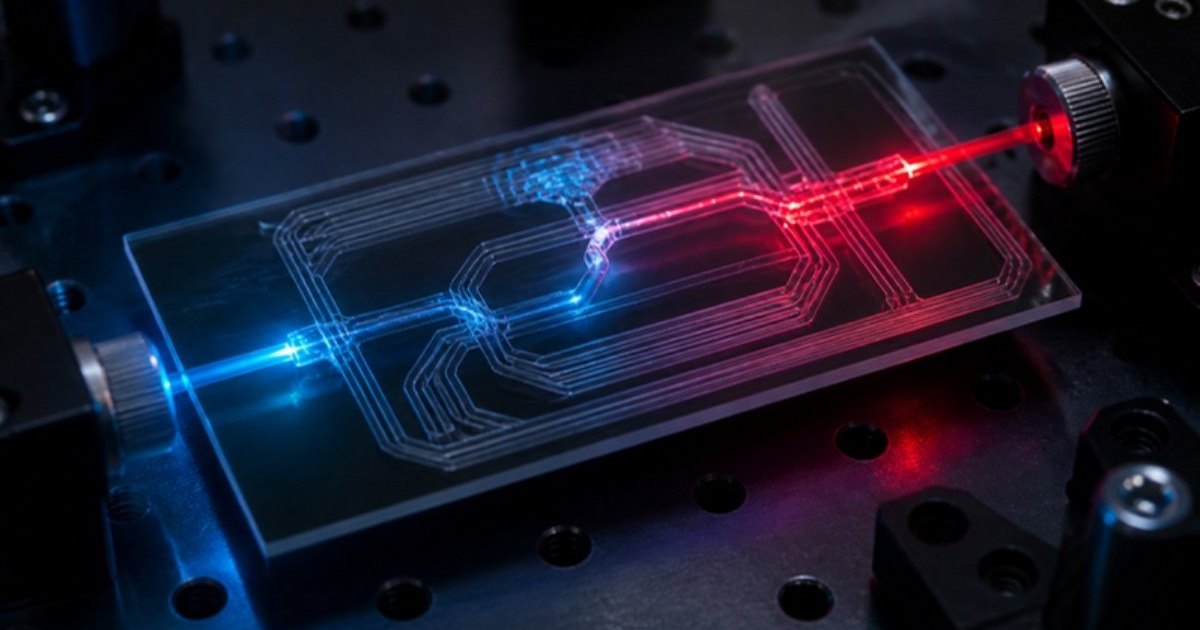
Photonic integrated circuit patents: how to claim a PIC
How to protect a new waveguide, modulator or PIC process with device, fabrication and system claims, plus a worked example of claiming a silicon modulator.
Materials and chemistry
Patent protection for new materials, compounds, formulations, and chemical and manufacturing processes.
-
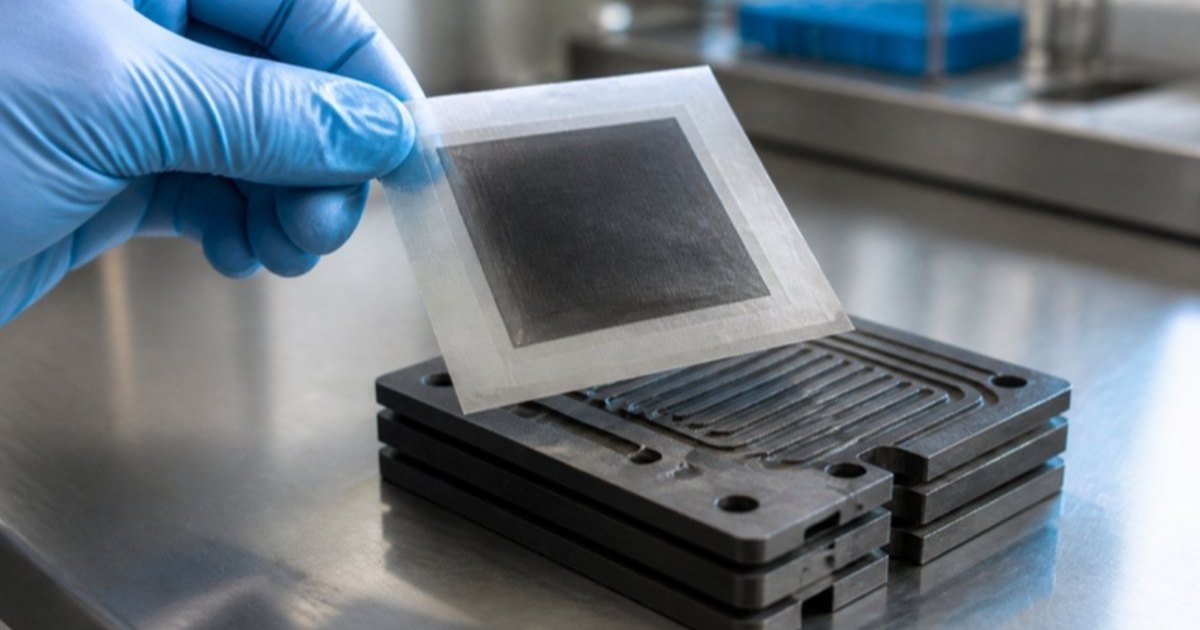
Hydrogen patents: membranes, catalysts and process know-how
In fuel cells and electrolyzers, the patents that matter cover membranes, catalysts, stack design and manufacturing. Here is how range claims fare in a crowded field, how to search it,…
-
Materials patent enablement after Amgen v. Sanofi
After Amgen v. Sanofi, a broad materials or chemistry claim must enable the whole family it covers. Here is how much data you need and how to draft genus and…
AI and drug discovery
Patenting machine learning models, computational chemistry, and AI-driven discovery platforms.
-
Machine learning patents in biotech: getting past § 101
Claims that apply generic machine learning to biological data usually fail § 101. Here is how to tie a model to a concrete lab result, using the USPTO’s post-Desjardins guidance…
-
AI drug discovery patents: molecule, method or model?
A molecule your model found is patented like any other compound, while the model itself must clear 35 U.S.C. 101. Here is how composition of matter, method and platform claims…
Patent law updates
Court decisions, USPTO rule changes, and other developments in patent law, and what they mean for inventors and companies.
-

PTAB discretionary denial: what changed and what to do now
Since 2025, the USPTO Director decides whether IPRs go to trial, and new discretionary factors favor many patent owners. Here is where things stand as of October 2026 and what…
-

AI inventorship: what the USPTO’s rules mean for R&D teams
AI can’t be an inventor, but AI-assisted inventions can be patented if a human conceived them. Here is what the USPTO’s current guidance means for R&D teams and how to…